Firestop Inspection Process
Step 1: submittal review
Step 1: submittal review
Step 1: submittal review
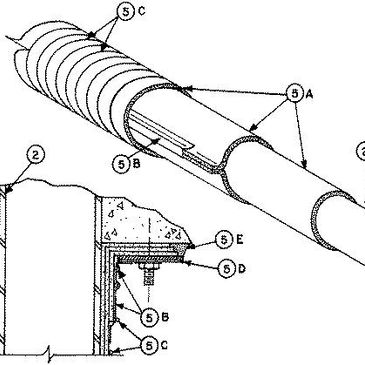
The submittal review process is crucial for ensuring firestop compliance, as it verifies that all proposed firestop materials and systems adhere to the approved construction documents and applicable code requirements. Under the IFC, inspectors conduct a thorough firestop system review, confirming that listed and tested systems (such as UL
The submittal review process is crucial for ensuring firestop compliance, as it verifies that all proposed firestop materials and systems adhere to the approved construction documents and applicable code requirements. Under the IFC, inspectors conduct a thorough firestop system review, confirming that listed and tested systems (such as UL or Intertek designs) are submitted for each penetration and joint condition. This process includes validating manufacturer data, system listings, and engineering judgments (if applicable), as well as assessing compatibility between materials. The goal is to identify discrepancies early, thus preventing improper installations and costly corrections during construction, while also facilitating any necessary third-party inspection.
step 2: documentation
Step 1: submittal review
Step 1: submittal review
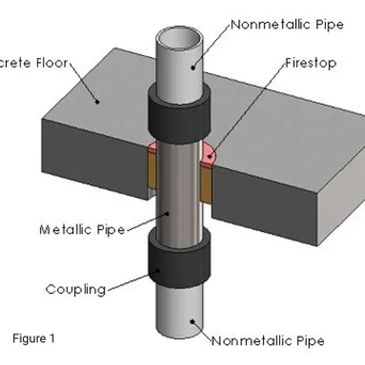
Documentation review focuses on validating that all required records are complete, accurate, and code-compliant prior to and during installation. This firestop system review includes examining product data sheets, safety data sheets (SDS), installation instructions, and approved submittals. The IFC emphasizes maintaining traceable documen
Documentation review focuses on validating that all required records are complete, accurate, and code-compliant prior to and during installation. This firestop system review includes examining product data sheets, safety data sheets (SDS), installation instructions, and approved submittals. The IFC emphasizes maintaining traceable documentation that demonstrates firestop compliance with tested and listed systems. Inspectors ensure that documentation aligns with field conditions and that any deviations are properly addressed through approved engineering judgments, often verified through third-party inspection.
step3: assembly
Step 1: submittal review
step3: assembly
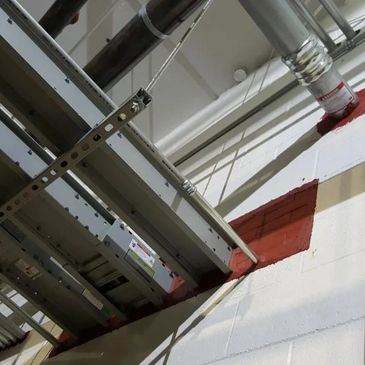
Assembly review involves evaluating the specific wall or floor assemblies in which firestop compliance will be assessed. During the firestop system review, inspectors confirm that the construction type, fire-resistance rating, and configuration of the assembly align with the tested system requirements. This includes verifying substrate ma
Assembly review involves evaluating the specific wall or floor assemblies in which firestop compliance will be assessed. During the firestop system review, inspectors confirm that the construction type, fire-resistance rating, and configuration of the assembly align with the tested system requirements. This includes verifying substrate materials, thickness, framing, and any unique conditions such as fluted decks or shaft walls. According to IFC intent, firestop systems must be installed within assemblies that match their tested design—any variation can invalidate the fire-resistance rating. Third-party inspection is crucial to ensure these standards are met.
The Process

step 4: systems
step 5: inspections
step 5: inspections
A firestop system review ensures that the selected firestop system is appropriate for the specific penetration or joint condition encountered in the field. Inspectors confirm that the system addresses the correct variables, including annular space, penetrating item type, movement capability (for joints), and required fire rating. To ensur
A firestop system review ensures that the selected firestop system is appropriate for the specific penetration or joint condition encountered in the field. Inspectors confirm that the system addresses the correct variables, including annular space, penetrating item type, movement capability (for joints), and required fire rating. To ensure firestop compliance, the IFC mandates that only listed and tested systems be used unless supported by valid engineering judgment. This step is crucial for ensuring the correct system is chosen before installation begins, often involving a thorough third-party inspection.
step 5: inspections
step 5: inspections
step 5: inspections
The inspection phase is the core of the third-party firestop process, focusing on firestop compliance through field verification of installed systems. Inspectors conduct a thorough firestop system review, observing installations for adherence to approved submittals, manufacturer instructions, and tested system details. This includes verif
The inspection phase is the core of the third-party firestop process, focusing on firestop compliance through field verification of installed systems. Inspectors conduct a thorough firestop system review, observing installations for adherence to approved submittals, manufacturer instructions, and tested system details. This includes verifying proper backing materials, sealant depth, annular space, and overall workmanship. The IFC mandates periodic inspections to ensure that firestop systems are installed correctly and consistently throughout the project, thereby maintaining the integrity of fire-resistance-rated assemblies.
step 6: reporting
step 5: inspections
step 6: reporting
Reporting provides formal documentation of inspection findings and firestop compliance status. Inspectors generate detailed reports outlining inspected locations, systems used, deficiencies observed, and corrective actions required, including insights from a firestop system review. The IFC mandates that these reports be submitted to the b
Reporting provides formal documentation of inspection findings and firestop compliance status. Inspectors generate detailed reports outlining inspected locations, systems used, deficiencies observed, and corrective actions required, including insights from a firestop system review. The IFC mandates that these reports be submitted to the building official and project stakeholders to demonstrate compliance. Clear, organized reporting ensures accountability, facilitates timely corrections, and serves as a permanent record for life safety systems within the building, especially after a third-party inspection.